Highway fleets
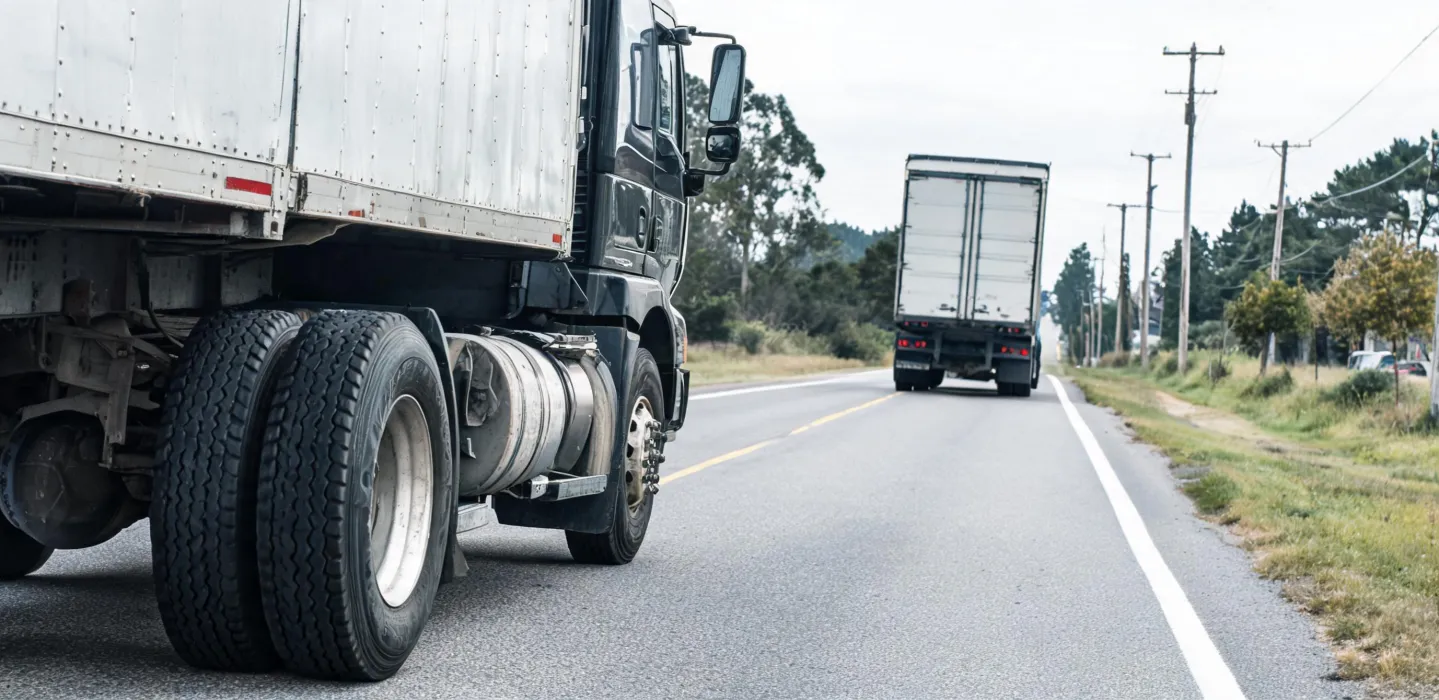
Long-distance operators assess axle position, operating load, annual mileage and service access. A selection must be reviewed against the actual vehicle and route, including regional weather and maintenance practices.
Application context
Different routes, surfaces and service intervals call for different selection inputs.
Long-distance operators assess axle position, operating load, annual mileage and service access. A selection must be reviewed against the actual vehicle and route, including regional weather and maintenance practices.
Delivery schedules can combine motorway travel with frequent stops and urban maneuvering. Provide the expected load range, road mix and replacement schedule when requesting options for a regional operation.
Passenger applications require the specified tire size and load and speed ratings for the vehicle. Climate and intended road use provide additional context for comparing available patterns and constructions.
Vehicles moving between paved and unpaved surfaces need a clear description of surface, exposure and duty. Share the expected service conditions rather than assuming an all-terrain label covers every use.
| Duty | Inputs to capture | Review point |
|---|---|---|
| Long haul | Axle position, speed, load | Route and replacement interval |
| Regional | Stops, load variation, surfaces | Operating pattern |
| Mixed service | Road mix, exposure, speed | Tread and casing suitability |
A size match alone does not establish suitability. Load index and speed rating must cover the intended service, and the wheel interface must be checked separately. For wheel-end components, OE references, flange geometry, bearing dimensions and sensor interfaces also matter.
Lower rolling resistance can support energy efficiency, while a grip or durability priority may accept higher energy use; wet grip and tread life also require assessment. Radial construction generally favors heat management and road use, whereas bias construction can suit some low-speed, severe-service duties. Neither construction is suitable for every vehicle or route. Comparisons are meaningful only when the test method, application and operating conditions are stated. Confirm regulations and documentary evidence for the destination and the specific product before a purchasing decision.
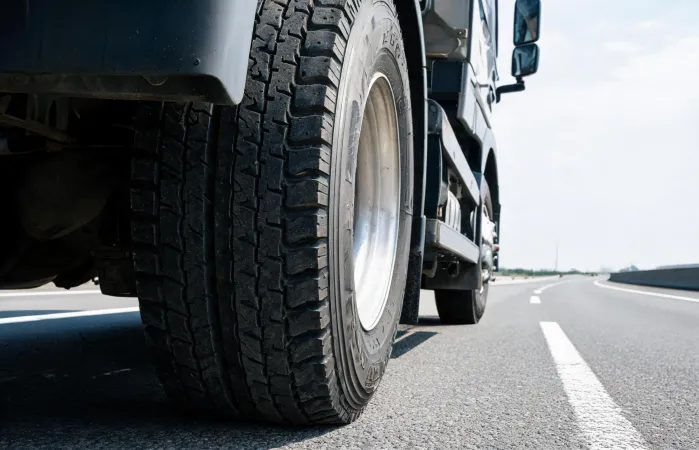
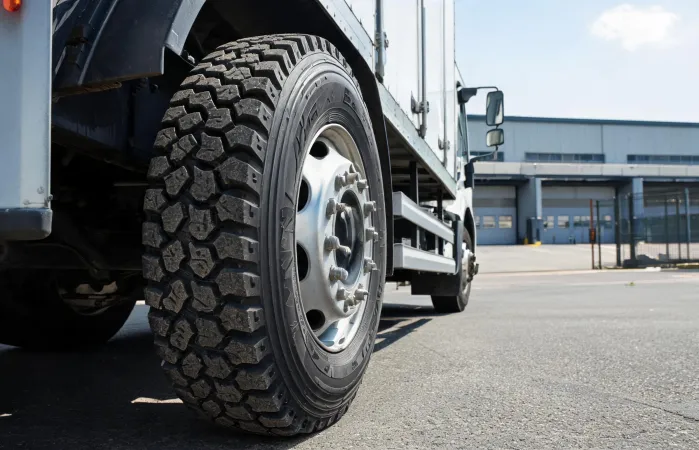

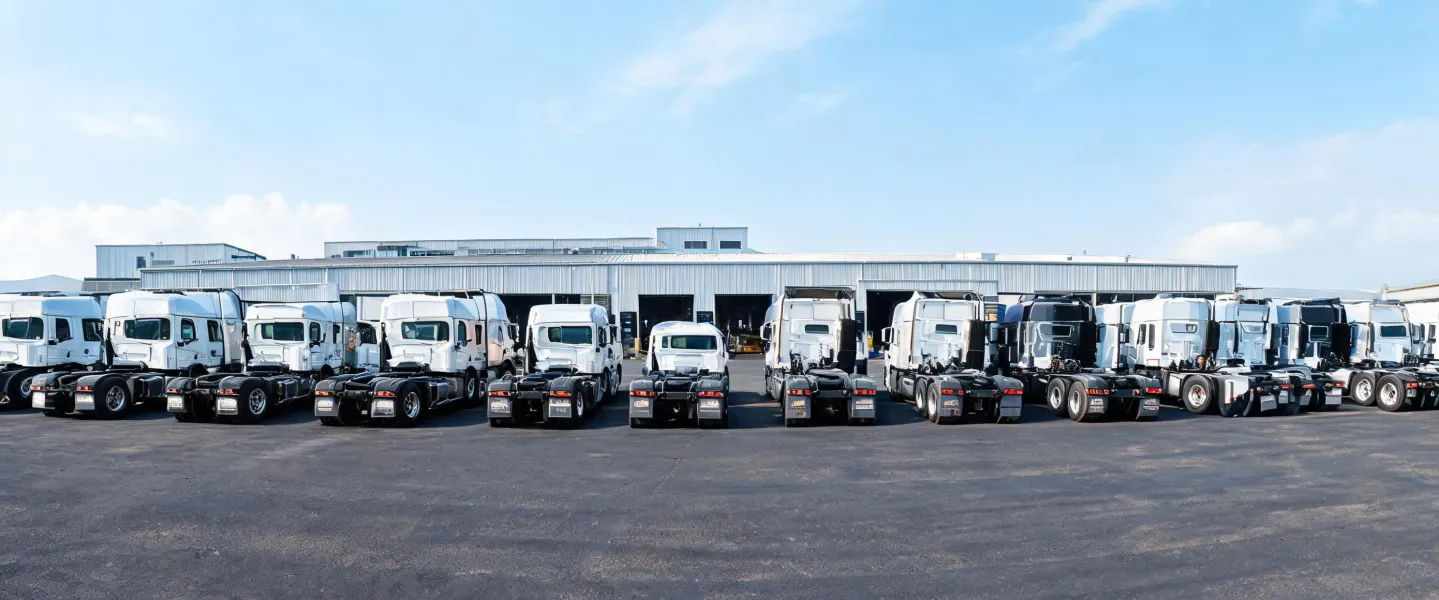
Send your operating conditions for a focused application discussion.